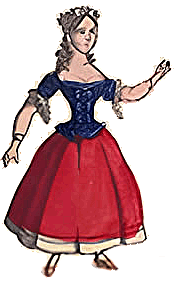
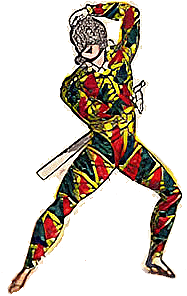

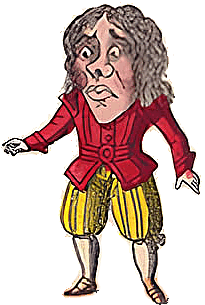
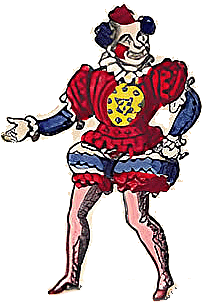

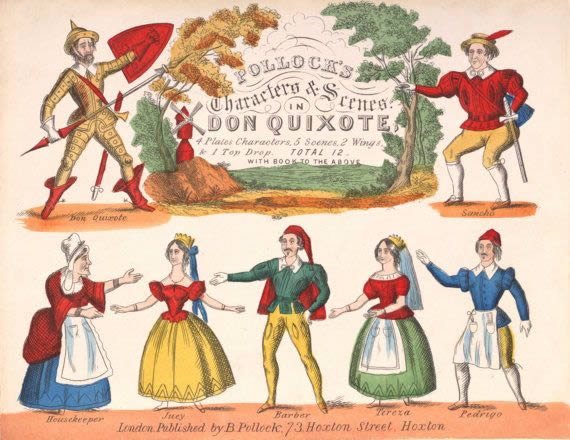
Pollock produced a toy‑theatre version of Don Quixote, adapted from an earlier nineteenth‑century stage production. Like most Pollock plays, it was issued as “a penny plain or two pence coloured” sheets containing characters, wings, backdrops and scenes for children to cut out and perform at home. These sheets were typically based on plates inherited from earlier publishers such as Skelt or Redington, whose stock Pollock continued to print well into the early twentieth century.
Toy‑theatre adaptations of major literary works were common in the Victorian era, particularly stories rich in adventure, spectacle and comic incident, qualities that made Don Quixote especially suitable. While many Pollock titles were drawn from contemporary melodramas, Don Quixote belonged to a smaller group of plays adapted from well‑known novels and romances, reflecting the period’s enthusiasm for bringing classic literature into the domestic playroom.