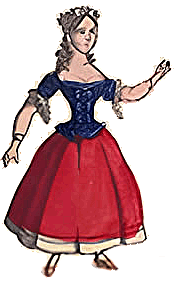
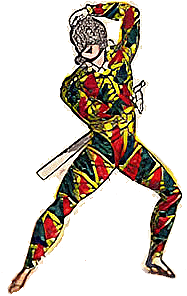

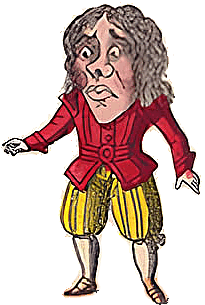
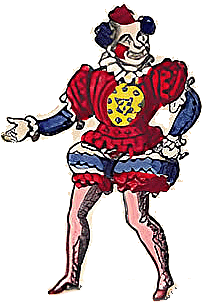

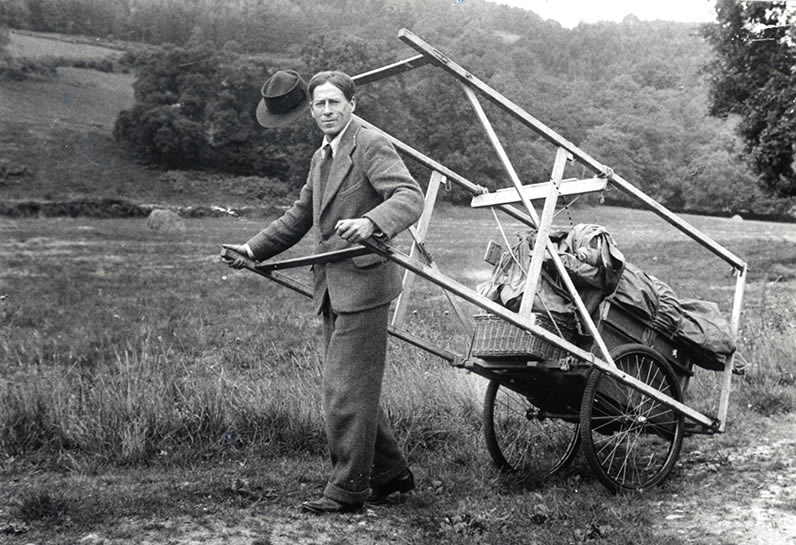
Walter Wilkinson was an English puppeteer, writer, and advocate of the “Simple Life,” best known for travelling the countryside with a handcart, his self‑described “old encumbrance”, and a set of handmade glove puppets. After early artistic wanderings with his brother Arthur, and a period of imprisonment as a conscientious objector during the First World War, he developed a distinctive, folk‑inspired style of small‑scale performance. His shows, presented on village greens, in market squares, and at rural fairs across Britain, became celebrated for their charm, intimacy, and gentle humour.
Wilkinson’s travels inspired a popular series of books, beginning with The Peep Show (1927), which blended puppetry, social observation, and vivid character sketches. His later career included international tours and even a performance at the White House, cementing his reputation as an influential figure in twentieth‑century puppetry.